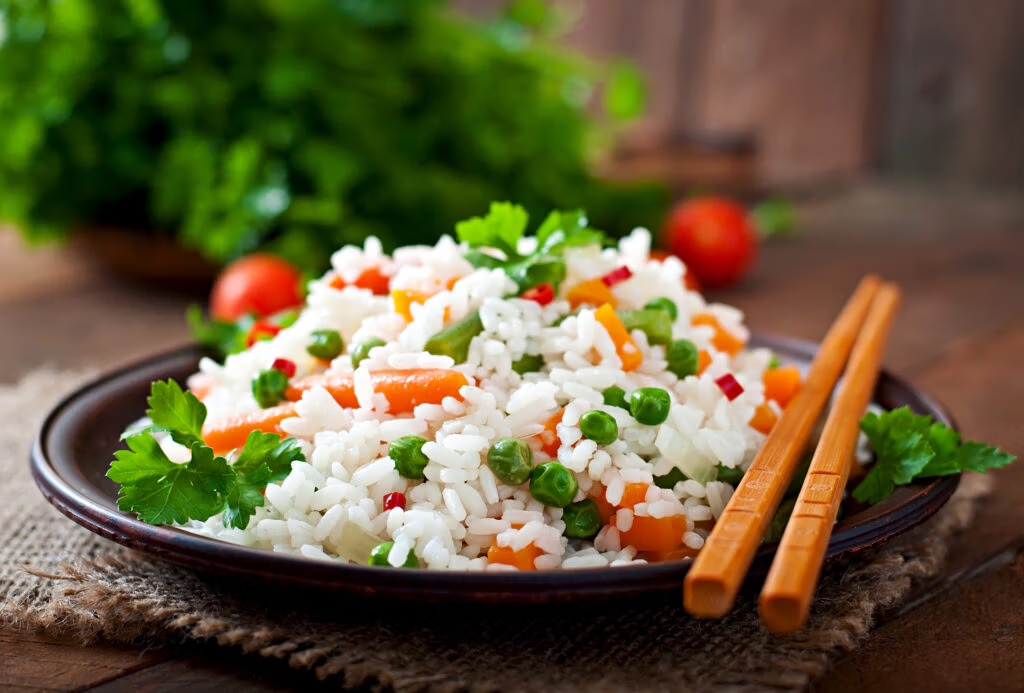
It appears on every summer table and meal-prep menu — but is rice salad a nutritious choice or a carb-heavy trap in disguise?
Rice salad is one of those foods that lives in a nutritional grey zone. On paper it sounds wholesome — grains, vegetables, maybe some legumes. But in practice, the healthiness of a rice salad depends almost entirely on how it is built. The base, the dressings, the add-ins, and the portion all matter enormously.
So let’s cut through the ambiguity and look at what the science and nutrition actually say.
What a typical rice salad contains
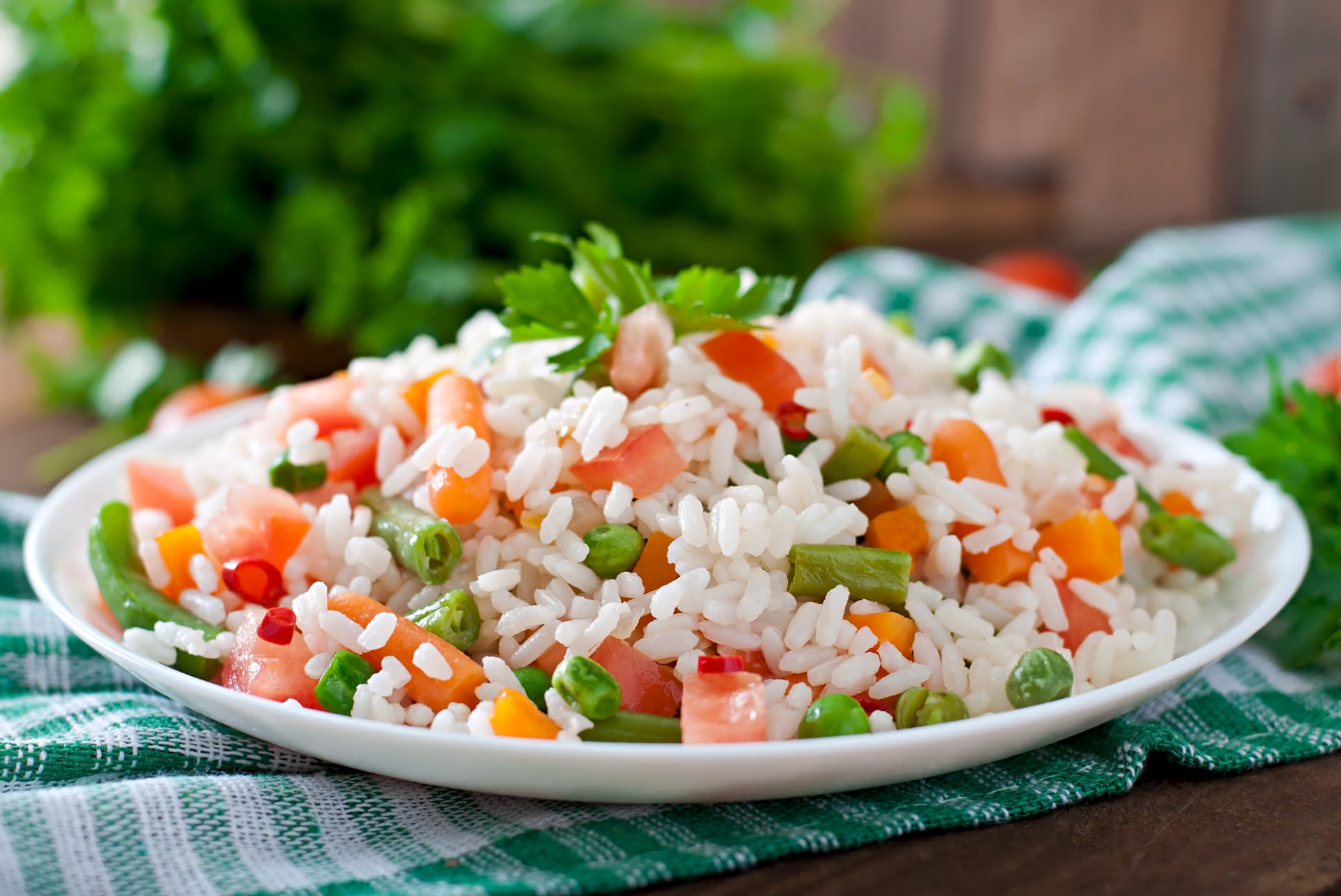
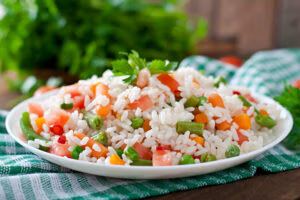
A classic rice salad usually combines cooked rice (white or brown), raw or roasted vegetables, a protein source, herbs, and a dressing. That sounds healthy — and it can be. But the devil is in the details.
White rice is fast-digesting and low in fibre. Brown, black, or wild rice offer more fibre, vitamins, and a lower glycaemic impact.
Cucumber, tomato, capsicum, corn, peas — these add micronutrients, antioxidants, and fibre with very few calories.
Grilled chicken, tuna, eggs, chickpeas, or tofu transform rice salad from a side dish into a complete, balanced meal.
This is where things can go sideways. Olive oil + lemon is great. Creamy mayonnaise-heavy dressings can add 200+ hidden calories.
The case for rice salad being healthy
When made thoughtfully, rice salad has a lot going for it. It is naturally gluten-free, easy to digest, filling, and remarkably versatile. Brown rice in particular brings meaningful nutritional value to the bowl.
Rice salad is also excellent for meal prep. Unlike leafy greens, rice holds up well overnight and actually improves slightly when chilled — the cooling process increases the resistant starch content, which lowers the glycaemic impact even further.
Loaded with colourful vegetables and a lean protein, a rice salad easily covers multiple food groups in a single bowl. It is the kind of meal that can genuinely support weight management, digestive health, and sustained energy.
The case against — where rice salad goes wrong
The problems start when rice salad becomes mostly rice. A portion where 80% of the bowl is white rice, dressed with a heavy mayonnaise sauce and very little else, is essentially a high-carb, low-nutrient meal masquerading as a salad.
White rice has a high glycaemic index, meaning it raises blood sugar quickly. Without enough fibre and protein to slow digestion, you can end up hungry again within an hour or two — defeating the purpose of a satisfying meal.
Not all rice salads are equal
The type of rice you choose — and what you pair it with — has a dramatic effect on the nutritional outcome.
High fibre, lower GI, rich in minerals. The healthiest base by far.
Lower GI than regular white rice. A reasonable middle-ground option.
High GI, low fibre. Fine occasionally, but pair with lots of veg and protein.
Who benefits most from rice salad?
Rice salad is particularly well-suited for people who are active and need accessible carbohydrate energy, those who are gluten intolerant or avoiding wheat, meal-preppers who want something that keeps well in the fridge for 2–3 days, and anyone trying to eat more vegetables without sacrificing satisfaction.
It is less ideal as a primary meal for people trying to reduce carbohydrate intake, those managing blood sugar conditions who are not pairing it carefully with protein and fibre, and anyone who habitually uses calorie-dense dressings.
How to build a genuinely healthy rice salad
Other smart additions include chopped nuts or seeds for healthy fats and texture, avocado for monounsaturated fats, and a squeeze of citrus — not just for flavour, but because vitamin C helps the body absorb the iron in plant-based ingredients.