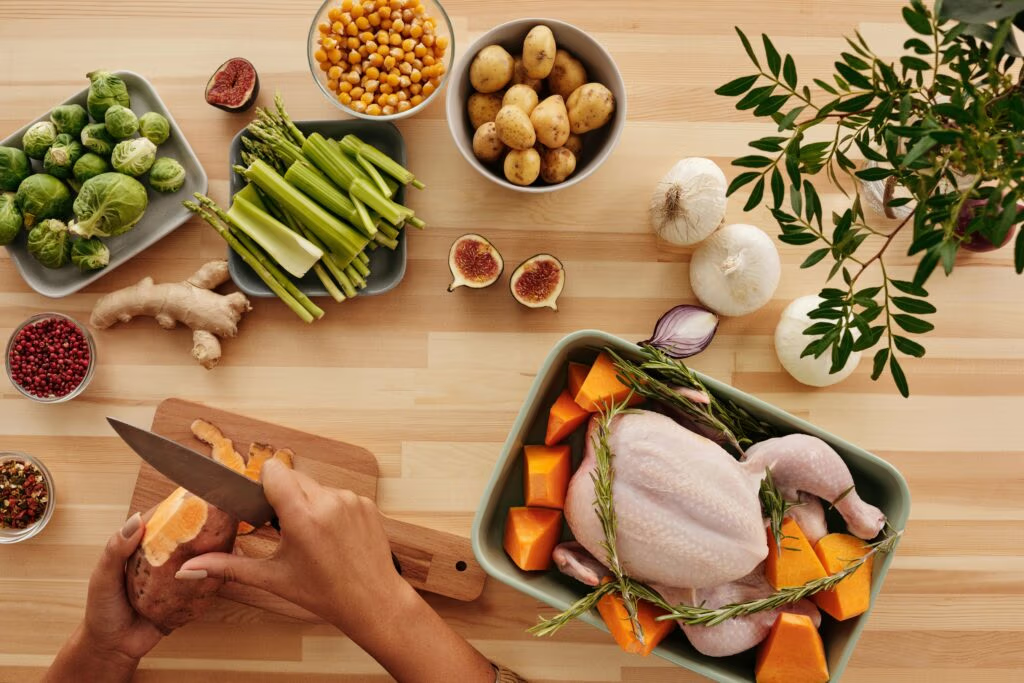
A look inside my daily kitchen ritual — why I cook from scratch every day, take my time with every dish, and treat healthy eating as a practice, not a chore.
I do not meal prep on Sundays. I do not batch-cook for the week or portion out containers in advance. Every single day, I walk into my kitchen and cook fresh — and honestly, it is one of the things I love most about how I eat.
For me, cooking is never just about the food on the plate. It is a ritual. A pause. A moment in the day when I am fully present, moving at my own pace, making something real with my hands. That philosophy shapes everything about how I prepare my meals.
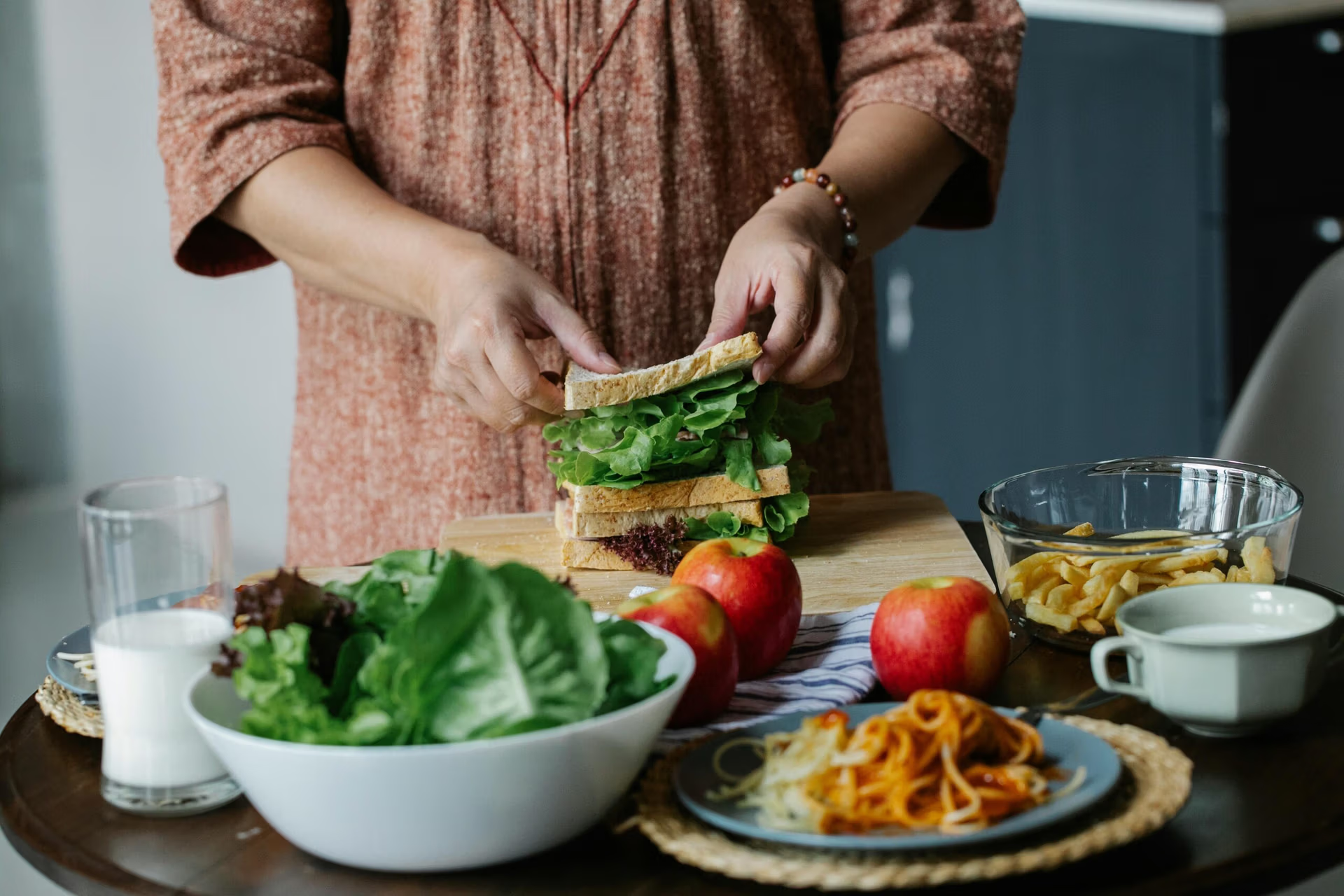
Why I cook fresh every day
There is a difference between food that was made today and food that was made three days ago. The flavours are brighter, the textures are better, and — perhaps most importantly — I feel more connected to what I am eating.
Cooking fresh also forces me to be intentional. I cannot coast on yesterday’s leftovers. Each day I make a deliberate decision: what do I want to eat? What does my body need? What is in season? That daily check-in keeps my eating varied, thoughtful, and genuinely enjoyable.
My cooking process — step by step
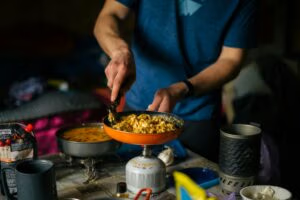
I do not rush. Here is roughly how a typical meal comes together for me:
The principles behind my clean eating approach
Healthy eating, for me, is not about restriction or calorie tracking. It is about choosing ingredients that are whole, flavourful, and nourishing — and trusting that a slow, attentive cook naturally produces good food.
Vegetables, legumes, whole grains, lean proteins. If it has more than five ingredients on a label, I pause and think.
Herbs, spices, good olive oil, and citrus do more for a dish than any sauce packet ever could.
Every plate has a protein, a vegetable, and a complex carb. Simple structure, infinite variety.
What is in season tastes better and costs less. I let the market guide the menu more than any recipe book.
 What slow cooking actually means to me
 What slow cooking actually means to me
Slow cooking, in my case, is not about long braises or overnight stews — though I love those too. It means being unhurried at every stage. It means not checking my phone while the onions soften. It means tasting the sauce three times instead of once. It means letting a simple dish become something genuinely good, rather than settling for fast.
There is real skill in patience. A chicken breast cooked gently over medium heat for twelve minutes is a completely different thing from one blasted over high heat for six. The time you give a dish shows up on the plate.
The unexpected benefits of cooking this way
Beyond the food itself, cooking slowly and freshly every day has changed how I relate to meals. I waste far less — I only buy what I will use that day or the next. I eat more variety, because I never get stuck in a reheated routine. And I genuinely enjoy eating in a way I never did when meals were just logistics to manage.
There is also something deeply grounding about it. After a chaotic day, standing in a quiet kitchen, chopping vegetables at my own pace — it is better than most things I have tried for resetting the mind.
A final thought
It does not require a subscription, an app, or a plan. It requires time, attention, and a willingness to show up for yourself every single day. That is what cooking fresh means to me — not a method, but a commitment. To good food, to good health, and to the quiet pleasure of making something real.